About this book
The big picture.
Author
James, the brother of Jesus, became a key leader in the early church after initially doubting Jesus during His earthly ministry. His transformation gives weight to the directness of this letter. James writes not as a distant theologian, but as a pastor deeply concerned with the spiritual maturity of God’s people.
Audience
James writes to Jewish Christians scattered throughout the Roman world who are facing pressure, instability, conflict, and spiritual drift. These believers know what they believe, but James challenges whether their lives actually reflect it. His message still speaks powerfully to modern believers trying to live faithfully in the middle of everyday pressure and distraction.
Date
Most scholars date the letter of James around 45–50 AD, making it one of the earliest writings in the New Testament. It was written during a time when the early church was growing rapidly while also facing persecution, poverty, division, and cultural tension.
Genre
James reads like a blend of wisdom literature, pastoral instruction, and practical theology. Deeply rooted in the teachings of Jesus—especially the Sermon on the Mount—the letter focuses less on abstract ideas and more on lived obedience.
Purpose
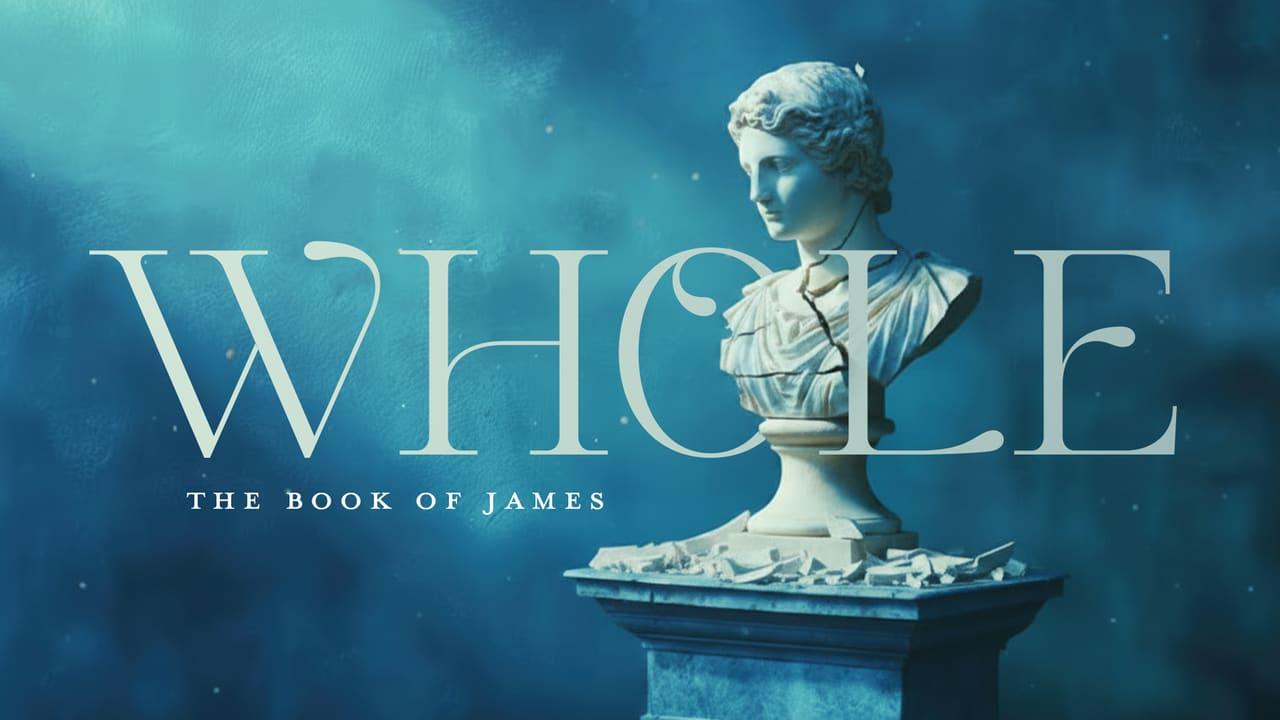
James is a call to wholeness. He confronts compartmentalized faith and invites believers into a faith that is integrated, mature, and visible in everyday life. Through topics like suffering, temptation, speech, conflict, humility, prayer, and community, James shows us that real faith doesn’t only appear in dramatic moments, but also shapes ordinary rhythms.
Sermon discussion guide
Go deeper this week.
Use these questions on your own, with your family, or with your group.
Week 1: A Faith That Holds Under Pressure (Revive Weekend)James 1:1–12 · September 13, 2026
- Read James 1:1–12 and/or recap this week’s sermon. Why does James connect trials with perseverance and spiritual maturity?
- Think about a difficult season in your life. What did that experience reveal about your faith or your view of God?
- Where are you feeling pressure right now? How might God be using that situation to form something in you?
- James tells us to ask God for wisdom when we don’t know what to do. What would it look like to seek His wisdom in the situation you’re facing right now?
Week 2: When Faith Gets TestedJames 1:13–18 · September 20, 2026
- Read James 1:13–18 and/or recap this week’s sermon. What distinction does James make between trials and temptation?
- James describes temptation as being “dragged away” by our own desires. Why can something harmful still look appealing in the moment?
- Where are you most tempted to doubt God’s goodness when life doesn’t go the way you hoped?
- What would it look like to trust that God is good even when your circumstances don’t feel good?
Week 3: Don’t Just Hear ItJames 1:19–27 · September 27, 2026
- Read James 1:19–27 and/or recap this week’s sermon. What does James say is the danger of hearing God’s Word without acting on it?
- James compares God’s Word to a mirror. Where are you tempted to recognize something that needs to change and then walk away without doing anything about it?
- Verse 27 turns our attention toward people who could easily be overlooked. Who tends to become “invisible” in your everyday life?
- What is one thing you already know God is asking you to do that you need to actually put into practice?
Week 4: Who You Value Shows Your FaithJames 2:1–13 · October 4, 2026
- Read James 2:1–13 and/or recap this week’s sermon. What does James reveal about why favoritism is incompatible with following Jesus?
- Favoritism isn’t always obvious. How can it show up subtly in who we notice, include, trust, or make time for?
- What assumptions do you tend to make about people before you really know them? What do you think shapes those assumptions?
- Who might God be inviting you to see, honor, or move toward differently?
Week 5: Faith That WorksJames 2:14–26 · October 11, 2026
- Read James 2:14–26 and/or recap this week’s sermon. What does James mean when he says that “faith without works is dead”?
- What is the difference between believing something is true and actually putting the weight of your life behind it?
- Where is it easiest for you to say you trust God without allowing that trust to change what you actually do?
- What is one way your faith could become more visible through your actions this week?